


Today we'll be talking about Lucas Industries, but more specifically about the Lucas LAX10 carbon brush.
The LAX10 reference identifies a type of carbon brush widely used in Lucas third-brush dynamos, electrical generators fitted to numerous British cars, motorcycles, and tractors from the 1930s through the 1960s. Before the widespread adoption of modern alternators, these dynamos played a crucial role in supplying electrical power and keeping vehicle batteries charged.
In this article, we'll take a brief look at the history of Lucas Industries, explore the LAX10 carbon brush, and highlight several classic vehicles that relied on Lucas electrical components.
Lucas Industries
Lucas Automotive is one of the oldest continuously operating names in the automotive industry. Its origins can be traced back to 1875, when its founder, Joseph Lucas, received his first patent. Based in Birmingham, England, the company grew steadily over the years to become both a manufacturer and supplier of components for the automotive and aerospace industries.
In the mid-19th century, Joseph Lucas, an unemployed father of six, earned a living selling paraffin oil from a handcart in the streets of Hockley. In 1860, he established the business that would eventually become Lucas Industries. His son Harry joined the company in 1872, initially manufacturing pressed metal products. In 1875, the company diversified into marine lamps, and in 1897 Joseph Lucas & Sons was incorporated as Joseph Lucas Ltd.
In 1879, Harry Lucas designed an oil lamp for high-wheel bicycles, which became known as the "King of the Road." The name later evolved into a Lucas sub-brand associated with the company's most prestigious electrical products. Even today, the "King of the Road" name remains part of the Lucas Classic parts program.
By 1902, Joseph Lucas Ltd had begun manufacturing automotive electrical components including magneto ignition systems, generators, windshield wipers, starter motors, horns, lighting systems, and wiring equipment. The company experienced major growth in 1914 after securing a contract to supply electrical equipment to Morris Motors.
During World War I, Lucas manufactured military electrical equipment, rifles, and artillery shells. In the decades that followed, it became the primary supplier of electrical components to many British manufacturers, including BSA, Norton, and Triumph. The company later diversified into braking systems, diesel technologies, hydraulic actuators, and aerospace control systems.
During the 1926 United Kingdom General Strike, thousands of workers at the Lucas factory in Birmingham joined nationwide protests. Trade union activist Jessie Eden played a significant role in organizing female workers. In 1931, she led a historic strike involving approximately 10,000 women employees, helping to expand female participation in British trade unions.
During World War II, Lucas worked with Rover on components for Frank Whittle's pioneering jet engine project, manufacturing combustion and fuel system parts. Around 1957, the company entered the semiconductor industry, producing rectifiers and transistors. The company became Lucas Industries Ltd in 1975 and Lucas Industries plc in 1982, when it was listed on the London Stock Exchange and joined the FTSE 100 Index.
The Lucas LAX10 Carbon Brush
The LAX10 reference identifies a carbon brush used in numerous Lucas third-brush dynamos fitted to British cars, motorcycles, and tractors between the 1930s and 1960s.
Before alternators became the industry standard, dynamos were responsible for supplying electrical power to the vehicle and maintaining battery charge while the engine was running. Carbon brushes played a critical role by transferring electrical current between the rotating armature and the vehicle's electrical system.
Lucas third-brush dynamos featured two main brushes and a third regulating brush that allowed charging output to be adjusted. This design became popular due to its mechanical simplicity and reliability.
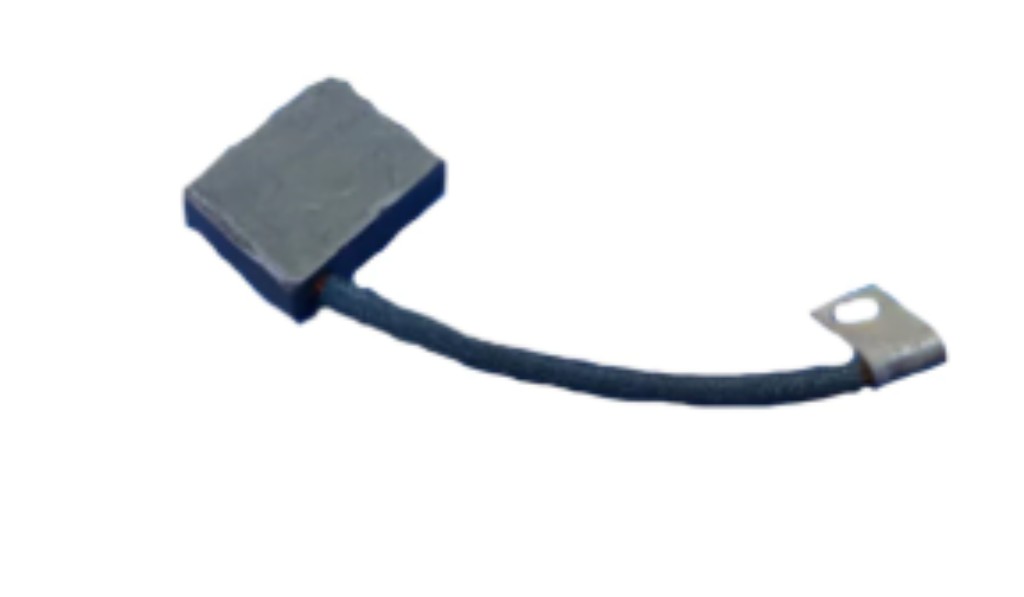
The LAX10 became a well-known reference in the classic vehicle restoration market and was used in various Lucas dynamos found on vehicles produced by Austin, Morris, Riley, Sunbeam, Jaguar, and Bentley. Today, these brushes remain sought after by collectors and restorers who wish to preserve the originality of vintage electrical systems.
Vehicles Equipped with Lucas Components
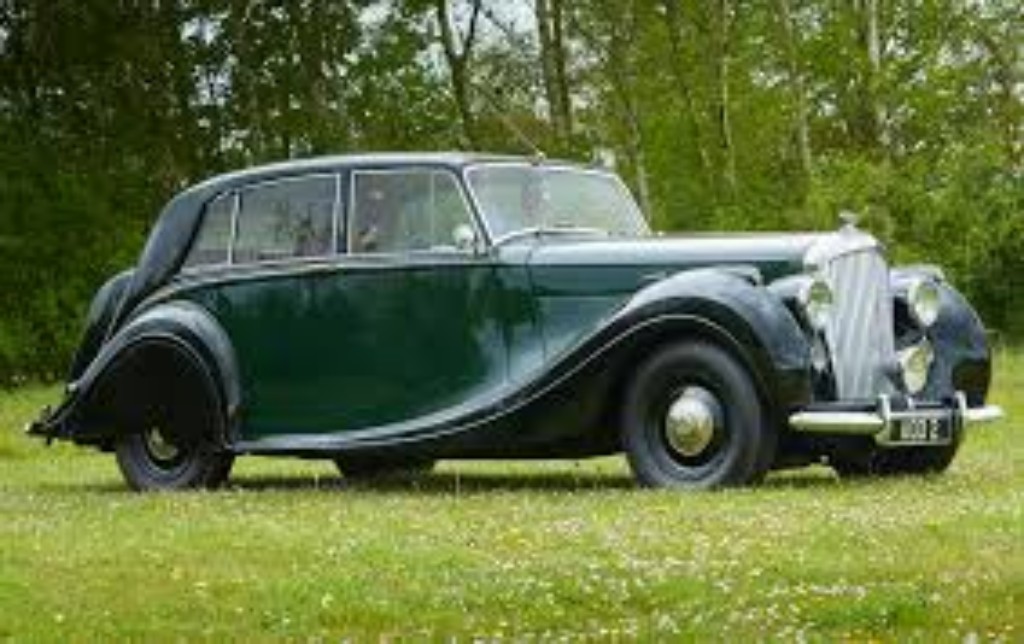
Bentley Mark VI (1946-1952)
The Bentley Mark VI was Bentley's first post-war luxury car and the first complete Rolls-Royce-built vehicle to feature an all-steel body. Introduced in 1946, it quickly became a commercial success and helped define luxury motoring in post-war Britain. Many of its electrical systems were supplied by Lucas, reflecting the company's dominant position within the British automotive industry.
Rolls-Royce Silver Wraith (1946-1958)
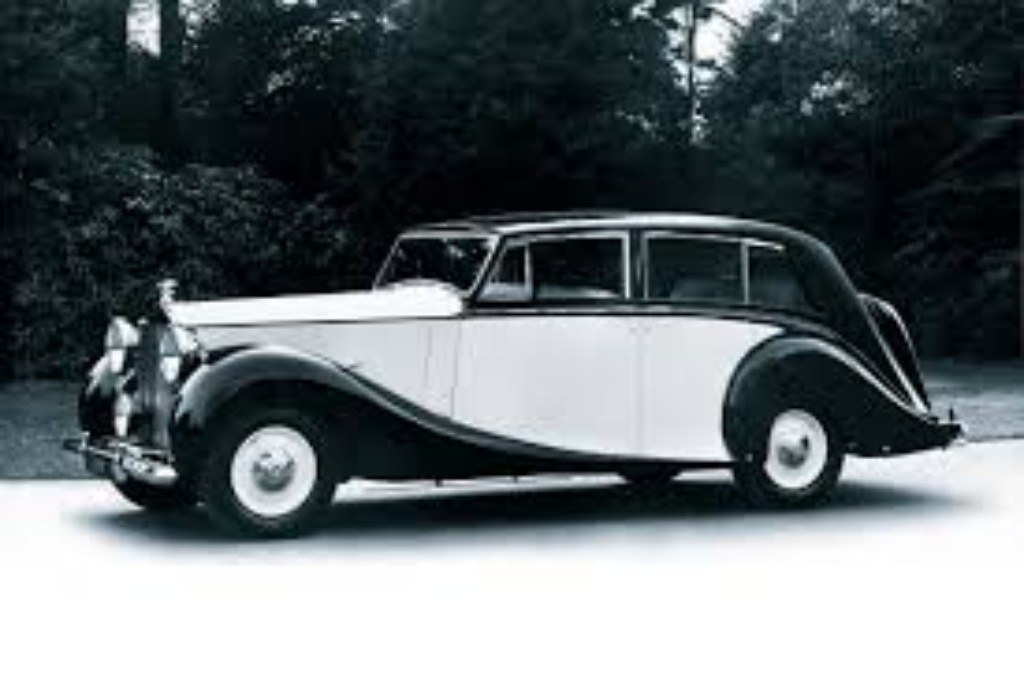
Introduced in 1946, the Rolls-Royce Silver Wraith was the first Rolls-Royce model produced after World War II. Built on a chassis intended for custom coachbuilders, it combined traditional luxury with advanced engineering features such as independent front suspension and an updated inline six-cylinder engine.
Manufactured at Rolls-Royce's Crewe facility, the Silver Wraith became one of the most prestigious luxury vehicles of the post-war era and was used by royalty, heads of state, and prominent public figures around the world.
Ford V8 Pilot (1947-1951)
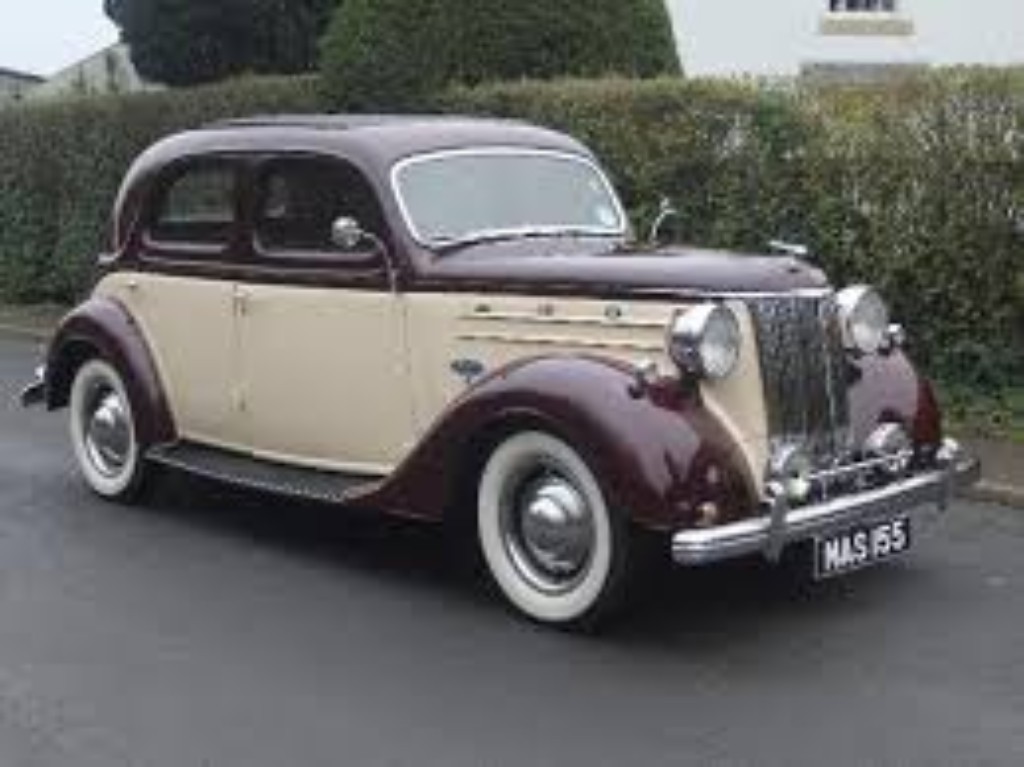
The Ford V8 Pilot was produced by Ford of Britain between 1947 and 1951. Powered by a durable 3.6-liter V8 engine derived from American Ford designs, it was one of the most powerful British-produced cars available during the immediate post-war years.
In addition to private ownership, the V8 Pilot was widely used by government agencies, police forces, and official services. Like many British vehicles of the period, it incorporated numerous Lucas electrical components, including charging, starting, and lighting systems.
Today, the Ford V8 Pilot remains highly valued by collectors thanks to its combination of performance, reliability, and limited production numbers.
Keeping Classic Dynamos Alive
Although original Lucas dynamos have not been manufactured for decades, demand for replacement parts remains strong among collectors and restoration enthusiasts.
At Sintercarbo, we have been manufacturing automotive carbon brushes since 1981 and continue to produce compatible replacements for applications such as the Lucas LAX10. By doing so, we help preserve and restore the historic electrical systems that powered generations of classic British vehicles.
You can purchase our compatible replacements in the following formats 👇